
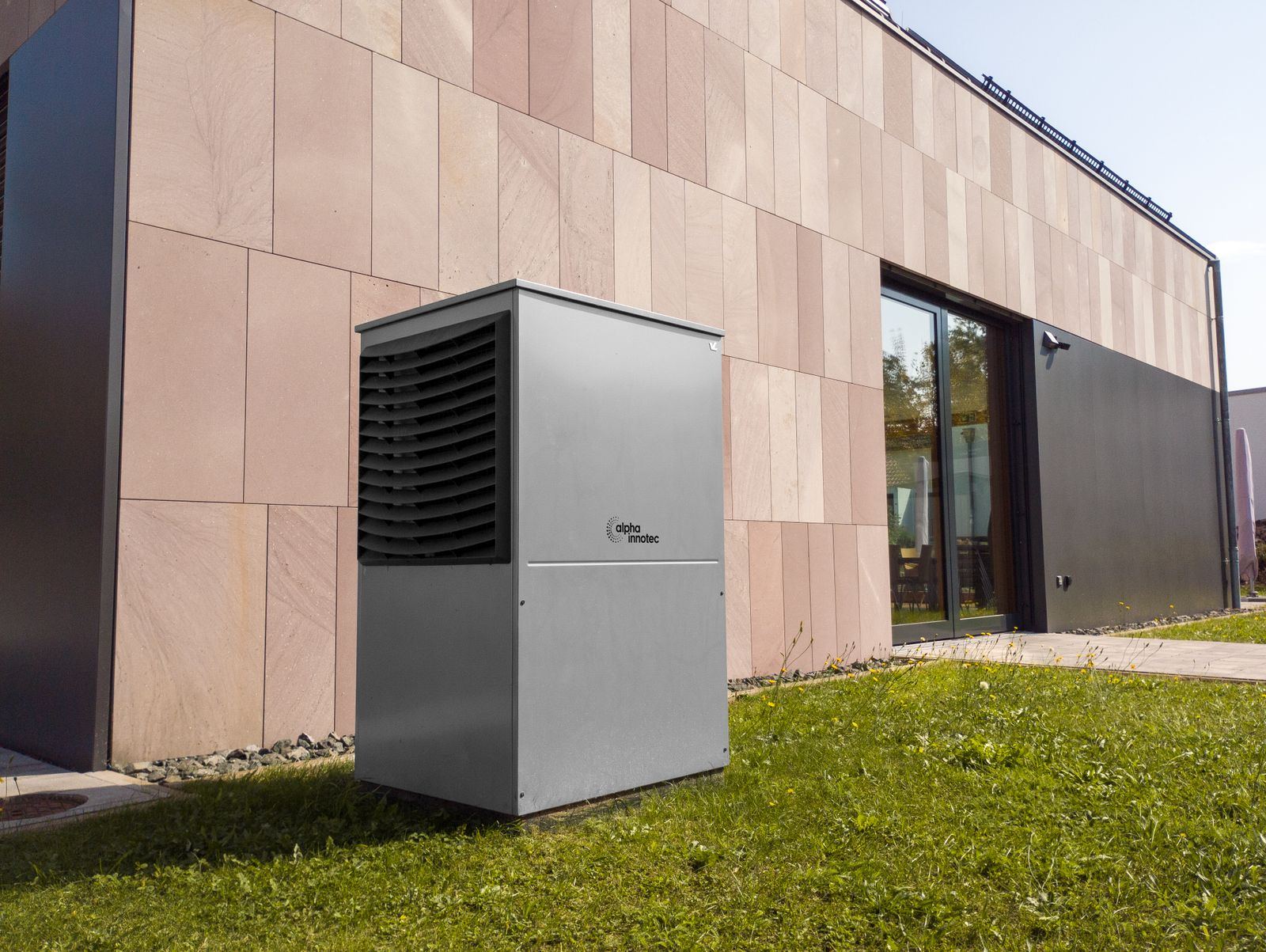
Standard electric water heaters make heat the expensive way: current runs through a resistance element, and every bit of warmth in the tank comes straight off your power bill. A heat pump water heater, often called a hybrid, works differently. Its compressor and evaporator coil collect heat already present in the room air and transfer it into the water, the same principle your refrigerator uses to move heat out of the food compartment. The result is a Uniform Energy Factor that commonly lands at 3 or above, roughly triple the efficiency of a resistance-only tank. For Bozeman, MT households that already heat water with electricity, that difference shows up on every monthly bill.
The catch is that a hybrid unit has to breathe. Most manufacturers call for roughly 700 cubic feet of surrounding space, about the volume of a 10 by 10 room with a typical ceiling, or ducted intake and exhaust where the room is smaller. Because it pulls heat out of the air, it leaves that space a few degrees cooler and noticeably drier, which works nicely in a warm garage or damp basement and less welcome in a closet next to a bedroom. It also produces condensate that needs a reliable path to a floor drain or a condensate pump, and the compressor and fan hum at roughly the level of a quiet window air conditioner. Most models need a dedicated 240-volt circuit, though some newer 120-volt units can plug into an ordinary outlet. None of that is complicated, but every item decides whether the unit delivers.
Once the unit is in place, mode selection and sizing decide the monthly bill. Heat pump only mode delivers the lowest running cost; hybrid mode lets the elements help during heavy draws; high-demand mode is there for holiday crowds. Since the compressor heats more slowly than resistance elements, we often size a hybrid slightly larger than the tank it replaces to keep the elements idle most of the time. Installation includes the drain pan, a tested condensate route, a correctly sized circuit and breaker, code-required items like an expansion tank where applicable, and a walkthrough of the controls. Utility and federal incentives exist for many qualifying models; we will point you to the ones to look into, without promising what any program will approve. Call (406) 233-1841 to plan a hybrid water heater for your Bozeman home.
What homeowners call us about most is Water Heater Installation in Bozeman. Either is a good place to start.
Warning Signs to Watch For
Recognizing the warning signs early can save you money and keep a slow drip from turning into a flooded utility room. These are the red flags our technicians see most often before a breakdown:
- A roomy mechanical area rather than a cramped closet
- Power bills where water heating is a large and steady line item
- A warm utility space the heat pump can draw from
- Rooftop solar that pairs well with efficient electric appliances
- An electrical setup already sized for an electric tank
- An electric tank over ten years old that you would like to swap on your own schedule
- Humidity problems in the space where the water heater sits
- A plan to take advantage of efficiency incentives where they apply
A Slow Leak Never Stays Slow
A little rust-colored water or a relief valve that drips now and then can be the first hint of a tank that is close to the end. A quick call to (406) 233-1841 gets a technician out to check it before it becomes an emergency.
Need Help With Heat Pump Water Heaters?
Our experienced technicians are standing by to help.
Call (406) 233-1841 NowWhat Homeowners Ask Us Most
The Benefits of Professional Heat Pump Water Heaters
Installing a heat pump water heater is not the same job as swapping a tank. It is a plumbing appliance, an electrical appliance, and a small refrigeration system at once. The plumbing has to include a relief valve line to an approved spot and an expansion tank when the system is closed. The circuit has to meet the manufacturer's requirements, which may differ from the tank it replaces. And the room has to supply enough air, or the compressor starves and the unit quietly leans on its elements. That last point is the one most often missed, and it turns an efficient appliance into an expensive standard heater.
Then come the practical hurdles. A hybrid is taller than a typical tank and very heavy once filled, so moving and setting it level in a pan takes planning. A gas-to-electric conversion adds a gas line to cap, an unused vent to close off, and a new circuit to run. Condensate has to drain without fail, since an overflowing line can damage floors and walls quietly. And if the sealed refrigerant system ever needs service, that work requires specific training and recovery gear. We take care of every step, set the operating mode for your household, and provide the documentation you may need for rebate or tax credit forms, with no promises about what any program will approve.
From Your Call to Hot Water
We follow the same careful process on every water heater, whether it's a quick thermostat swap or a full tankless conversion. Here's how we handle heat pump water heaters from start to finish:
Site Survey
We measure the room volume, note how warm or cold it runs through the year, find the nearest drain for condensate, and check the electrical panel for a 240-volt circuit.
Model and Size Selection
Based on household size and peak demand, we recommend a tank capacity and model, often one size larger than your old tank to offset slower heat pump recovery.
Install Day
Water lines, the electrical circuit, T&P discharge piping, and a properly sloped condensate route are all installed and checked before the tank fills.
Mode Setup and Walkthrough
We fill and purge the tank, confirm the compressor runs and the condensate drains, set a safe temperature, and choose the mode that fits your routine.
Questions About Heat Pump Water Heaters?
We give honest advice and upfront pricing on every job, big or small.
Call (406) 233-1841 TodayWater Heater Care Tips From Our Technicians
A few preventive steps can help you avoid a cold shower or a wet floor down the road. Here are our recommendations:
- Check that condensate is reaching the drain and the pan stays dry
- Have the tank flushed annually so sediment does not coat the elements
- Keep fumes and heavy dust away from the air the unit draws in
- Rinse the intake filter a few times a year; a clogged filter drags efficiency down
- Keep the space around the unit open and free of boxes, laundry, and stored clutter
- Use vacation mode when you travel instead of leaving the tank at full temperature
- Have the anode rod inspected every few years to protect the tank from corrosion
Doing It Yourself vs. Hiring a Technician
Online videos may help in a pinch, yet lasting repairs and code-compliant installs depend on correct venting, proper relief valve discharge piping, and a trained technician. A side-by-side look:
| Factor | Doing It Yourself | Professional Service |
|---|---|---|
| Room Selection | Put where the old tank was, ready or not | Located where the compressor can work |
| Electrical | Breaker size guessed | Dedicated circuit verified or added |
| Condensate | Pump skipped where one is needed | Condensate path planned and verified |
| Sizing | No thought to slower recovery | Capacity matched to household use |
| Operating Mode | Modes never explained | Settings chosen for savings |
| Safety Details | Drain pan left out | Code items addressed where required |
Get Heat Pump Water Heaters Help Today
The sooner you call, the sooner the hot water is back. Reach Bozeman Water Heater for fast service.
Call (406) 233-1841 TodayAreas We Serve for Heat Pump Water Heaters
Wherever you are in the area, the same experienced team shows up with the same parts and the same pricing. Find your community below.